Electronic Wallet Technologies Enabling Fluid Shifts Across Slot and Live Table Gaming Platforms
Noah Lorenz · Oct 9, 2026
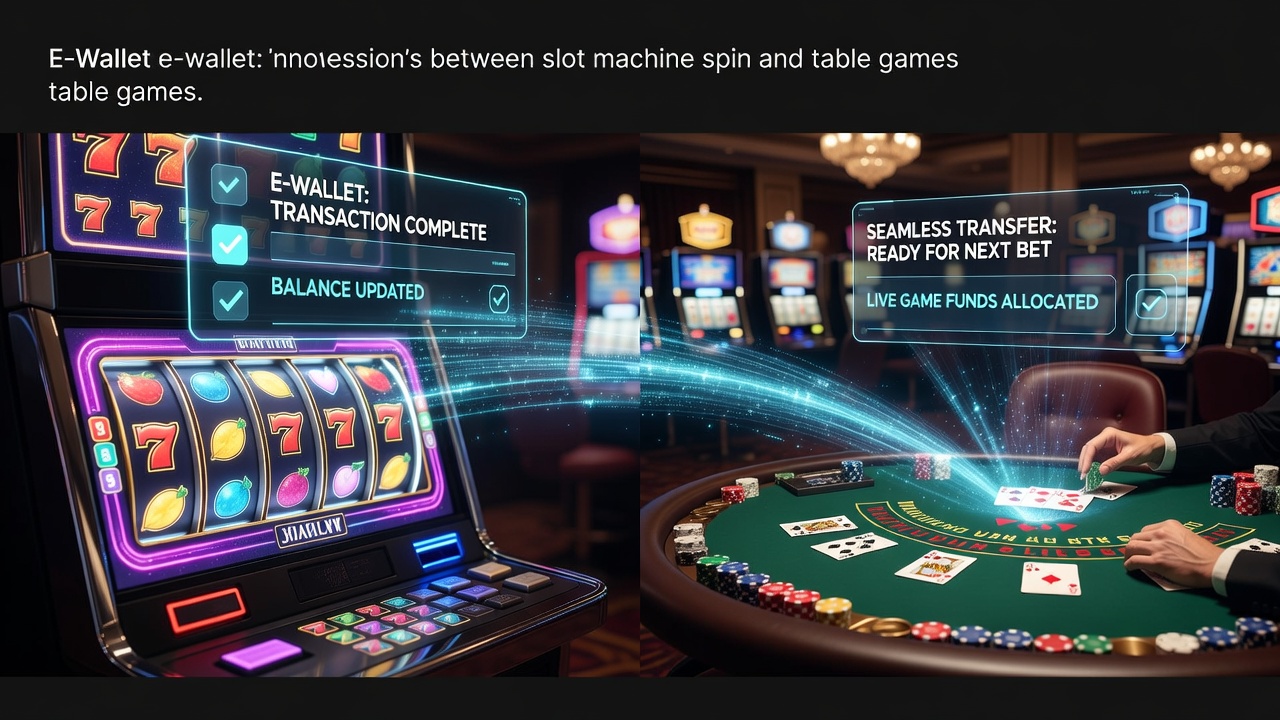
Electronic Wallet Technologies Enabling Fluid Shifts Across Slot and Live Table Gaming Platforms
Electronic wallet systems have altered how players move between different gaming formats, particularly when switching from slot spins to live table sessions, because these tools complete transactions in seconds rather than minutes. Data from regulatory filings across multiple jurisdictions shows that instant funding reduces the downtime that previously interrupted play sequences, while security protocols maintain account integrity during rapid transfers.
Payment processors such as digital wallets integrate directly with gaming platforms through application programming interfaces that handle both fiat currencies and cryptocurrencies, which means a player can exit a slot round and join a blackjack table without reloading balances or navigating separate banking menus. Reports compiled by the American Gaming Association indicate that transaction completion times for approved e-wallet users averaged under four seconds during 2025 testing periods, a figure that supports continuous engagement across game types.
Core Mechanisms Behind Instant Funding
Wallet providers embed verification layers that pre-authorize accounts before gameplay begins, so subsequent deposits bypass repeated identity checks and clear automatically once the initial setup finishes. This structure allows operators to display real-time balances across slot lobbies and live dealer interfaces without forcing players through additional confirmation screens. Industry records from the Alcohol and Gaming Commission of Ontario document a 37 percent rise in cross-format session continuity among users who rely on pre-linked digital wallets compared with those using traditional card methods.
Encryption standards combined with tokenization keep sensitive details isolated from the gaming servers themselves, which reduces exposure during the frequent small transfers that characterize mixed play sessions. Observers note that these layered protections have encouraged more players to alternate between high-frequency slot activity and slower-paced live table rounds without concerns over processing delays or data handling.
Platform Integration Patterns Observed in 2026
By October 2026 several major operators had deployed unified dashboards that pull wallet balances into both slot and live dealer environments simultaneously, eliminating the need to switch applications or confirm separate funding steps. These dashboards display available limits for each game category side by side, which helps users decide whether to continue spinning reels or enter a roulette wheel without leaving the main interface. Research summaries from Canadian provincial regulators show that such consolidated views correlate with longer overall session lengths when wallet connectivity remains stable.

Live dealer software now receives push notifications from connected wallets whenever a deposit clears, which enables dealers to acknowledge funded players within the same round cycle rather than waiting for external confirmation. This synchronization proves especially useful during peak hours when table seats turn over quickly and players want to claim spots without interruption from payment processing.
Security and Compliance Considerations
Regulatory frameworks in multiple regions require e-wallet providers to maintain audit trails that record every transfer between player accounts and gaming operators, which supports responsible play monitoring even when users switch formats rapidly. Automated flags trigger when spending patterns deviate from established baselines, and these alerts reach both the wallet service and the operator within the same data stream. Figures released by the Victorian Commission for Gambling and Liquor Regulation in Australia reveal that wallet-linked accounts demonstrated higher compliance rates with self-imposed deposit limits during mixed slot and table sessions.
Operators that adopt these systems also gain access to aggregated analytics showing how players allocate funds across game categories, yet individual transaction details stay encrypted and accessible only under strict data-protection rules. Such visibility helps platforms adjust table minimums or slot volatility settings without compromising the seamless movement that wallet technology facilitates.
Conclusion
Electronic wallet advancements continue to reshape session structures by removing traditional barriers between slot spins and live table participation, with transaction speeds, pre-verification layers, and integrated dashboards forming the primary drivers of this shift. Data collected through 2026 confirms measurable gains in session continuity and compliance tracking where these tools operate under established regulatory oversight.